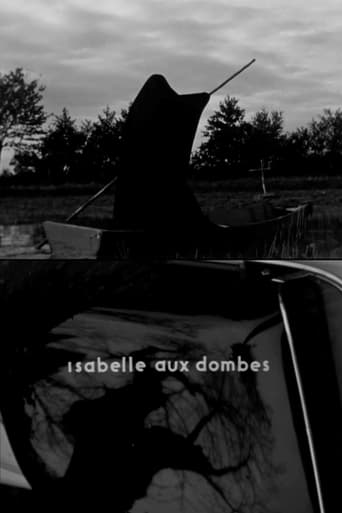
Isabelle aux DombesPialat's first film was the short Isabelle aux Dombes, shot in 1951 when the director was 26 years old. The film is an entirely silent montage of documentary footage, ragged experimental techniques — mainly some negative-image inserts — and symbolic psychodrama that's surprisingly not too different from the work that Stan Brakhage would begin making just a year or two later. Images of death proliferate throughout the film, and what started as a loose documentary soon becomes an eerie psuedo-horror piece that's obsessed with death and decay.
Japanese King KongA silent 3-reel comedy short that uses the 1933 film King Kong as a backdrop to the story. It was produced by Shochiku Studios (who released the original 1933 film in Japan on behalf of RKO). It is now considered to be a lost film.
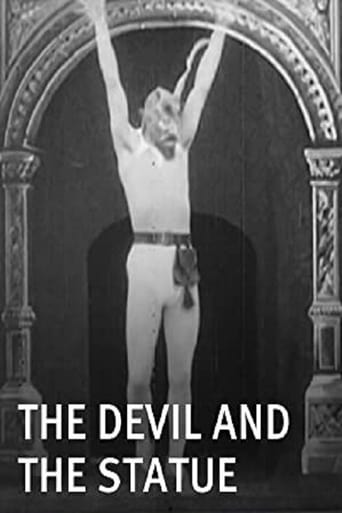
The Devil and the StatueAt the beginning of the scene Romeo in his gondola sings to Juliet a sentimental song, then goes away. Hardly has he departed when the colonnade falls to pieces, disclosing the devil. Juliet, frightened, runs to the window and calls Romeo. The latter attempts to enter and protect his fiancée, but at a gesture from the devil the window is instantly covered with a grating and Romeo makes frantic efforts to break it. The devil begins to dance a wild dance before Juliet, who is beside herself from terror. The devil gradually becomes the size of a giant (a novel effect). Juliet implores the statue of Madonna, which becomes animated, descends from its pedestal, and stretching out its arms orders the devil to disappear. (Méliès Catalog)
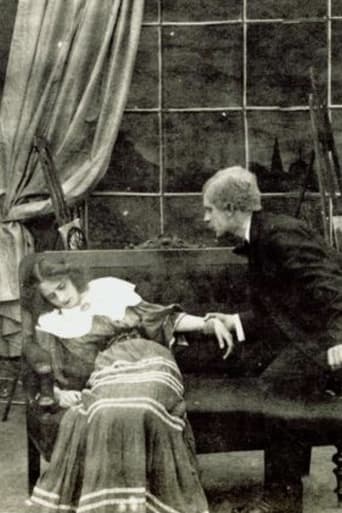
TrilbyDanish adaptation of Trilby. Presumed lost, though a single still apparently depicting the novel's climax survives.
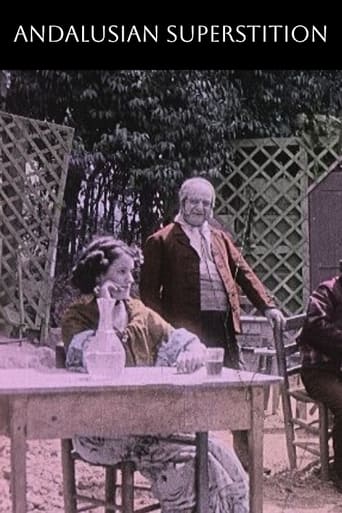
Andalusian SuperstitionA woman imagines the revenge of a gypsy that she sent away. This piece is told in multiple scenes, in an increasingly artificial world, as the venue shifts from a realistic courtyard to a wild, stagebound prison in which various stage monsters appear.
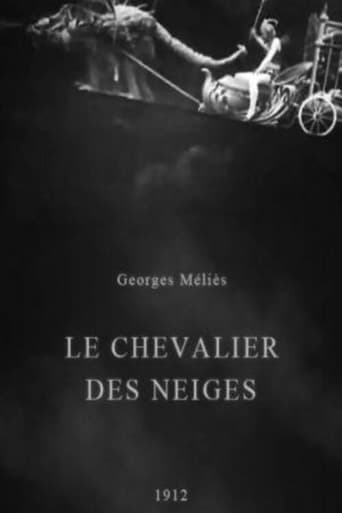
The Knight of the SnowOne of the last films Georges Méliès made. By now, he was under contract for his former rival Pathé, where he made a few of his most lavish productions, including this one. Here, Méliès performed in front of the camera as the Devil […]. His incarnation of Satan this time is a sprightly antagonist who kidnaps a princess by locking her in a cage and taking off through the sky in a dragon-pulled carriage. […]